
Buy a home at a reasonable rate with a VA loan in North Charleston, SC
VA loans were established prior to the end of World War II and have since assisted numerous veterans, service members, and military families in fulfilling their dream of owning their a home. In recent times, the program has become increasingly significant, with VA loan volume skyrocketing and offering substantial financial advantages that enable countless veterans to purchase homes, thereby making homeownership a possibility for those who may not have qualified otherwise.
If you sacrificed comfort and security to help protect our great nation, Mission One Mortgage thanks you for your service. We believe that there's no greater honor than to serve those who have served our country. We're not afraid to go above and beyond for our veterans because that's exactly what they did for us.
Service Areas
What is a VA Loan in North Charleston, SC?
A VA loan is a mortgage option that is backed by the government and available to Veterans, service members, and surviving spouses. It is offered by private lenders such as banks and mortgage companies and not directly by the Department of Veterans Affairs.
VA home loans come with competitive interest rates and terms and can be used to purchase a variety of properties, including:
- Single-Family Homes
- Condominiums
- Multi-Unit Properties
- Manufactured Homes
- New Construction Homes
One of the great benefits of VA loans is that eligible Veterans can buy a home with no down payment, no mortgage insurance, lenient credit requirements, and the lowest average fixed rates in the market.

This program was created by the federal government to make it easier for those who have served our country to become homeowners, and it is widely considered the strongest benefit program available for this purpose.
The VA has a guarantee program that ensures the government will pay back the lender a portion of a VA loan if the borrower fails to make payments. This guarantee reduces the risk for lenders, and as a result, they can offer more favorable terms and require no down payment.
Compared to conventional loans, VA loan rates are typically lower. The rate could either be fixed, meaning payments will remain the same, or adjustable, meaning that payments could change over time. However, keep in mind that adjustable-rate mortgages (ARMs) come with some risk, as you'll pay more if rates rise.
If you are eligible for a VA loan, you can complete the VA mortgage application process through lenders like Mission One Mortgage. While many lenders offer VA loans, not all of them do, and some lenders specialize in serving VA loan borrowers. Generally speaking, it's best to apply with multiple lenders in order to compare rate offers and find the best deal.
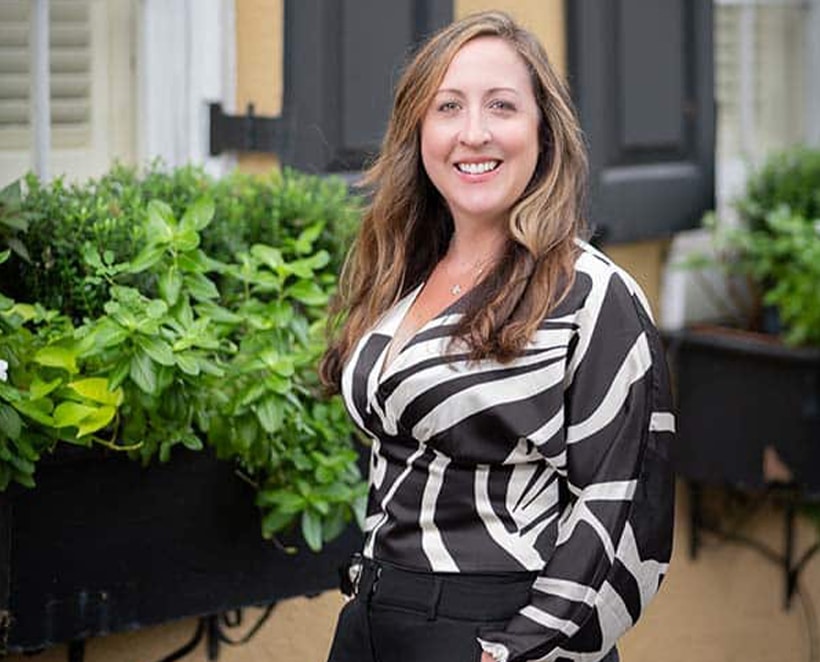
Debbie Haberny, the proud broker-owner of Mission One Mortgage, is a certified Vetted VA Professional. The main objective of her team is to simplify the mortgage process for veterans by providing them with relevant tools and knowledge. Debbie and her team of mortgage experts base their expertise on the VA Handbook and are committed to showing veterans all the options and opportunities available to them with their VA benefits. They also connect veterans with qualified lenders and resources to ensure their VA loan process is seamless.
Whether you're a first-time home buyer or a seasoned homeowner, we'll help you understand the differences between financing programs so you can select the one that's best for you.
What are the Biggest Benefits of Having a VA Loan in North Charleston, SC?
At Mission One Mortgage, we work with many Veterans who know that VA loans exist but don't quite understand the full range of benefits they provide. If that sounds familiar, keep reading. This section was written especially for you.
01
Benefit:
No Down Payment Needed
One of the standout benefits of the VA Loan program is that qualified borrowers can purchase a home without having to make a down payment up to the conforming loan limit of their county. This is a significant advantage over conventional and FHA loans, which typically require minimum down payments of 5 percent and 3.5 percent, respectively.
For example, on a $400,000 mortgage, a conventional loan would require a $20,000 down payment, while an FHA loan would require $14,000. Saving up that kind of cash can take service members and veterans years, but with the VA Loan, they can pursue homeownership without having to scrape and stockpile for years on end.
03
Benefit:
Less Strict Credit Requirements
It's important for military buyers to stay informed about credit score requirements when considering home financing options. Although credit score requirements have eased up a bit, it's still necessary to meet certain benchmarks set by conventional and FHA lenders. However, even meeting these benchmarks can be a challenge for many buyers.
Most VA lenders require a credit score of at least 620, which falls in FICO's "Fair" credit score range. Borrowers will typically need to meet a higher threshold for conventional mortgages, particularly if they want to secure a low-interest rate. It's worth checking out VA Loan rates to learn more about financing options.
Despite common misconceptions, military buyers don't need a perfect credit score to obtain financing. While a higher credit score can certainly help, it's important to remember that VA loans in North Charleston, SC are designed to help military members and veterans access affordable housing.
05
Benefit:
Help with Closing Costs
Closing costs are an inevitable part of the home-buying process, no matter what type of mortgage product you choose. However, if you're a veteran, you may be pleased to know that the VA places limits on the fees and costs you're required to pay at the time of closing. Additionally, homebuyers have the option to ask sellers to cover all loan-related closing costs, as well as up to 4 percent of the purchase price for other expenses like prepaid taxes, insurance, and collections.
02
Benefit:
No Need for Private Mortgage Insurance
Coming up with a down payment can be challenging for both conventional and FHA homebuyers. In addition, they are required to pay for mortgage insurance unless they can make a sizable down payment, usually 20% of the purchase price. For instance, on a $400,000 mortgage, this would be a staggering $80,000 in cash.
FHA loans carry an upfront mortgage insurance premium and annual mortgage insurance. The latter now lasts for the life of the loan. On the other hand, conventional homebuyers will pay this monthly cost until they have built up enough equity, which can take several years.
Fortunately, VA loans do not require any mortgage insurance. However, there is a mandatory funding fee that goes directly to the Department of Veterans Affairs. Borrowers with a service-connected disability are exempt from paying this fee, which helps keep the program going for future generations.
04
Benefit:
Bankruptcy and Foreclosure
If you've experienced a financial setback such as a foreclosure, short sale, or bankruptcy, you may be worried about your chances of securing a VA home loan. However, don't lose hope just yet. With VA loans, it's still possible to be eligible for a home loan just two years after a foreclosure, short sale, or bankruptcy. In some cases, veterans who file for Chapter 13 bankruptcy protection can be eligible for a VA loan just a year after the filing date.
It's worth noting that the waiting periods for conventional or FHA financing can be significantly longer than those for VA loans. Additionally, even if you've lost a VA-backed mortgage to foreclosure, you may still be eligible for another VA loan.
So, if you're a veteran who's experienced a financial setback but still dreams of owning a home, don't give up hope. Explore your options and see if a VA loan with Mission One Mortgage could be the solution you need.
06
Benefit:
DTI Ratio Flexibility
It's important to keep in mind that VA lenders typically prefer borrowers to spend no more than 41 percent of their gross monthly income on major debts, such as mortgage payments or student loans. However, it's possible to get a VA home loan even if you have a higher DTI ratio. Some lenders may offer up to 55 percent or more depending on your credit score and ability to meet additional income requirements. This can give homebuyers more flexibility and greater purchasing power when it comes to finding their dream home.
Remember - if you have any questions about the benefits you just read about - like what credit score Mission One Mortgage requires for a VA loan - contact our office today. It would be our pleasure to help you navigate the VA loan process, one step at a time.
 (843)822-5685
How to Determine Your VA Loan Eligibility
One of the most common questions we get at Mission One Mortgage revolves around VA loan eligibility. Who is actually eligible for this type of loan? What are the requirements for getting a VA loan? If you meet the following requirements, chances are you'll be eligible for a VA loan.
- If you have completed 90 days of service during wartime or 181 days of service during peacetime, you may qualify as an active-duty military member or veteran.
- If you have served in the National Guard or Reserve for a minimum of six years, or have completed 90 days of active duty under Title 32 orders, with at least 30 of them being consecutive, you may be eligible for a VA loan in North Charleston, SC.
- If your spouse was a service member who passed away while on active duty or due to a service-connected disability, and you haven't remarried, you may be eligible for a VA loan. In some cases, surviving spouses who remarried after the age of 57 and after Dec. 16, 2003, may also be eligible. Spouses of prisoners of war or service members missing in action may also be eligible for VA loans, as well.
- You meet the necessary requirements for credit and income to be eligible for a VA loan. It's important to note that while the VA doesn't set a minimum credit score for VA loans, individual lenders may have their own standards. In addition to credit, your lender will also evaluate your income and debts to assess your ability to repay the mortgage.
- The property you're interested in purchasing complies with the necessary safety standards and building codes. It's also worth mentioning that in most cases, the borrower is required to make the residence their primary home within 60 days of purchase. However, there are certain circumstances in which this timeline can be extended up to 12 months.

Follow These 5 Steps to Begin the VA Home Loan Process
Curious what the general steps are for purchasing a home with a VA loan? You're not alone. Keep reading to get a feel for what you have to do to enjoy the wonderful benefits of homeownership.

When applying for a VA home loan benefit, the Certificate of Eligibility (COE) is an important document that verifies your eligibility to your lender. If you have already used your VA loan benefit in the past, a current COE can help you determine how much remaining entitlement you have. Additionally, it can ensure that your entitlement has been restored for previous VA-backed loans that were paid in full.
After you've applied for your COE, it's a good idea to examine your finances. We're talking about items such as income, expenses, credit profile, and your monthly budget. That way, you know for sure that you're ready to purchase a home.
As a veteran, you have the choice of going through a bank, credit union, or a private VA mortgage company like Mission One Mortgage. Most lenders will have different loan interest rates and fees, so it's important to shop around. Remember - Mission One specializes in VA loans in North Charleston, SC. Other lenders, such as large corporations and banks, often can't match the expertise and attention to detail that Mission One provides to veterans.
During this phase, it's a good idea to meet with a range of real estate professionals. Try to choose an agent who has experience processing and overseeing VA loans. Once you select an agent, you can bring your lender's pre-approval letter to their office and begin shopping.
This is the best part of the VA loan process, other than getting the keys to your new home. When looking for a house, remember to look at homes within your price range and budget. Lean on your real estate agent, friends, and family for help in your search.
A Word of Advice from Mission One Mortgage
If you're thinking about buying a home, it's important to weigh the pros and cons of homeownership. While renting can provide flexibility and less responsibility for maintenance, it comes with the risk of rent increases, potential property sales, and uncertainty about security deposit refunds.
On the other hand, owning a home can offer relatively stable mortgage payments and an opportunity to build long-term wealth for you and your family. Before making a decision, it's crucial to determine your priorities, such as your monthly budget for mortgage payments and other expenses like transportation and childcare. Ultimately, only you can determine what's best for your housing and financial needs.
The Key to Homeownership Starts with a VA Loan in North Charleston, SC
At Mission One Mortgage, we take immense pride in simplifying the mortgage process and ensuring that our clients experience minimal stress. We understand that navigating the world of mortgages can be daunting, which is why we are committed to making it as smooth as possible.
By choosing to work with us, you're not just getting a mortgage broker - you're selecting a partner who is devoted to your financial well-being and dedicated to helping you achieve your dream of homeownership. By working together, we can work through the VA loan process one step at a time.
That rings true for all of our clients, but especially the U.S. Veterans we serve. In fact, we specialize in VA mortgages and are proud to offer them to US Veterans, those on Active Duty, and their spouses. VA Loans are one of the best mortgages available, offering no down payment requirements, no PMI, and some of the most favorable rates and terms.
If you're ready to take the next big step in your life and provide stability for your family with a place to call home, contact our office today. You're closer to the dream of home ownership than you might think.
Want to know more?
Clarify your Queries Call Us Now! (843)822-5685
Latest News in North Charleston, SC
James Island community pushes back as discussions for potential development continue
Kennedy Buckhttps://abcnews4.com/news/local/james-island-community-pushes-back-as-discussions-for-potential-development-continue-dills-bluff-road-taylor-consulting-group-mayor-brook-lyon
JAMES ISLAND, S.C. (WCIV) — Taylor Consulting Group has been working since 2019 on a proposal to build a development on 6.52 acres along Dills Bluff Road on James Island. The plan proposes building a storage facility along with a brand new housing development, and it would also bring around 10 new homes into the area as well. Some people living on James Island have been against the development from the beginning."Between the petitions, the calls for action to conduct an environmental study to just preserving it as a park or...
JAMES ISLAND, S.C. (WCIV) — Taylor Consulting Group has been working since 2019 on a proposal to build a development on 6.52 acres along Dills Bluff Road on James Island. The plan proposes building a storage facility along with a brand new housing development, and it would also bring around 10 new homes into the area as well. Some people living on James Island have been against the development from the beginning.
"Between the petitions, the calls for action to conduct an environmental study to just preserving it as a park or some other type of use," John Peters, who lives on James Island, said. "That would enhance James island and the growth of James Island."
Their concerns haven't gone unnoticed. Over the years, there have been many changes made to the proposal, but some community members would rather see the space preserved, or turned into an area for green space and recreation use.
"They're going to be cutting hundreds of trees to build both the storage facility and the residential park," Melissa Lubey, who started a petition to gain the attention of the community, said. That petition now has over a thousand signatures.
"I'm not a business owner, but from a business perspective, I would turn it into something that makes the PSD money, like a market space that could enhance," Peters said when asked about what he would like the space used for. "They could rent out the spaces to vendors, local vendors. We have them all the time in this area, where they come out and they attend events."
News 4 brought these concerns to James Island Mayor Brook Lyon who said there's not much the town can do since the property is owned by the public service district. She said she has looked into the possibility for the town to buy the land from the developer.
"Sure would love for the town to be able to buy all or part of it at the very least for parks for our citizens," Mayor Lyon said. "It's a huge deal, we have reached out to the public service district as well as the potential buyer through our attorneys and let them know that we would love to purchase it."
Monday night's meeting will be the last public meeting before the sale is potentially finalized on Friday, March 1. The meeting will be held at James Island's Fire Station #1 starting at 7 p.m.
News 4 also reached out to the Public Service District and the developer for comment but have not yet heard back.
DISABILITY CELEBRATION + FROTHY FRIDAY
South Carolina Stingrayshttps://stingrayshockey.com/games/2024/03/01/disability-celebration-frothy-friday
It's Disability Celebration Night at the Coliseum, presented by Coastal Kids Dental. The Rays will have a Sensory Room in North Club in Section 120, filled with bean bags, tunnels, and other sensory items provided by Beautiful Gate Center for any of our fans to use for today's game.Every Friday is Frothy Friday at the Coliseum! Enjoy $5 Frothy Beard beers through the end of the 1st intermission - doors open at 6:00 PM and puck drops a...
It's Disability Celebration Night at the Coliseum, presented by Coastal Kids Dental. The Rays will have a Sensory Room in North Club in Section 120, filled with bean bags, tunnels, and other sensory items provided by Beautiful Gate Center for any of our fans to use for today's game.
Every Friday is Frothy Friday at the Coliseum! Enjoy $5 Frothy Beard beers through the end of the 1st intermission - doors open at 6:00 PM and puck drops at 7:05 PM!
Individual Tickets
Group Tickets
Birthday Package
Chill Zones
The Nutrl Zone
Frothy Friday Ticket Deal
Upcoming Home Games
Friday, March 1st
DISABILITY CELEBRATION + FROTHY FRIDAY
North Charleston Coliseum
Saturday, March 2nd
MARVEL SUPER HERO NIGHT + JERSEY AUCTION
North Charleston Coliseum
Sunday, March 3rd
PAINT THE ICE
North Charleston Coliseum
Get Hockey Updates
Sign up for our email newsletter to be the first to know about news and upcoming games!
How do the Buccaneers Stack Up Against Opponents? Charleston Southern Schedule, Game Previews, Live Stream & TV Info - February 26
Data Skrivehttps://www.wistv.com/sports/betting/2024/02/24/charleston-southern-college-basketball-schedule/
Stay up to date on Charleston Southern basketball all year long by bookmarking this page, as we offer the team's 2023-24 schedule, along with the results for each game after it's over.Catch tons of live college basketball, plus original programming, with ESPN+ or the Disney Bundle.Read More About Charleston Southern BasketballCharleston Southern's Upcoming Games...
Stay up to date on Charleston Southern basketball all year long by bookmarking this page, as we offer the team's 2023-24 schedule, along with the results for each game after it's over.
Catch tons of live college basketball, plus original programming, with ESPN+ or the Disney Bundle.
Read More About Charleston Southern Basketball
Charleston Southern's Upcoming Games
Catch college basketball action all season long on Fubo!
Charleston Southern's 2023-24 Schedule
| Date | Opponent | Score | TV |
|---|---|---|---|
| November 6 | vs. Toccoa Falls | W 94-59 | -- |
| November 9 | vs. North Florida | L 81-70 | -- |
| November 13 | vs. JWU Charlotte | W 102-61 | -- |
| November 17 | @ NC State | L 87-53 | -- |
| November 20 | @ Bethune-Cookman | L 79-73 | -- |
| November 24 | @ Wake Forest | L 71-56 | -- |
| November 28 | @ Citadel | L 81-52 | -- |
| December 2 | vs. South Carolina State | W 66-64 | -- |
| December 13 | vs. North Alabama | L 76-64 | -- |
| December 16 | @ #18 South Carolina | L 73-69 | -- |
| December 19 | @ Loyola Chicago | L 72-59 | -- |
| December 21 | vs. Kentucky Christian | W 103-79 | -- |
| December 29 | @ #9 North Carolina | L 105-60 | -- |
| January 3 | vs. Presbyterian | L 68-61 | -- |
| January 6 | @ Longwood | L 77-56 | -- |
| January 10 | @ Gardner-Webb | W 86-74 | -- |
| January 13 | vs. South Carolina Upstate | W 77-70 | -- |
| January 20 | @ High Point | L 86-79 | -- |
| January 24 | vs. Winthrop | L 78-59 | -- |
| January 27 | vs. UNC Asheville | L 71-65 | -- |
| January 31 | @ Radford | W 63-60 | -- |
| February 3 | vs. Longwood | W 83-77 | -- |
| February 7 | @ Winthrop | L 67-46 | -- |
| February 14 | vs. Gardner-Webb | L 85-77 | -- |
| February 17 | @ UNC Asheville | L 86-55 | -- |
| February 21 | @ South Carolina Upstate | W 63-60 | -- |
| February 24 | vs. High Point | L 74-59 | -- |
| February 28, 7:00 PM ET | vs. Radford | -- | ESPN+ |
| March 2, 2:00 PM ET | @ Presbyterian | -- | ESPN+ |
Read More About Other Charleston Southern Teams
Get tickets for any college basketball game this season at Ticketmaster!
© 2023 Data Skrive. All rights reserved.
SC-founded restaurant chain shuts last Charleston-area location
John McDermotthttps://www.postandcourier.com/business/charleston-restaurant-wild-wing-cafe-charlotte-bankruptcy-hilton-head/article_ff52d5c6-d578-11ee-bbc9-7744cc252d32.html
A bankrupt casual dining chain once headquartered in Mount Pleasant has shut down its last restaurant in the area.A sign posted on the Wild Wing Cafe in North Charleston on Feb. 27 said the corporate-owned location was permanently closed and thanked customers for their patronage.According to Feb. 26 social media posts, employees said they were notified about the abrupt shutdown in a group text message. No one picked up the phone at the Rivers Avenue restaurant Monday afternoon. The company's bankruptcy attorneys did not respond...
A bankrupt casual dining chain once headquartered in Mount Pleasant has shut down its last restaurant in the area.
A sign posted on the Wild Wing Cafe in North Charleston on Feb. 27 said the corporate-owned location was permanently closed and thanked customers for their patronage.
According to Feb. 26 social media posts, employees said they were notified about the abrupt shutdown in a group text message. No one picked up the phone at the Rivers Avenue restaurant Monday afternoon. The company's bankruptcy attorneys did not respond to a request for comment.
The Post and Courier was unable to immediately verify whether Wild Wing is closing any other of its 22 other restaurants in six states.
The Charlotte-based owner and operator of the chain filed for bankruptcy protection last summer, blaming the move on "significant headwinds" brought on by the COVID-19 pandemic and its inability to repay an eight-figure loan.
Aetius Cos. LLC said its assets included six corporate-run restaurants in North Charleston, Greenville, Bluffton and other markets in the Carolinas. The others were classified as franchises.
The company listed more than 500 creditors.
Wild Wing, which once had more than 40 locations, said last summer that the global health crisis placed "severe pressure" on its finances. The challenges included "material" rent expenses for restaurants that were shut down permanently, high management turnover, supply chain constraints, difficult hiring conditions and the government-ordered business closures at the start of the pandemic.
The chain said it had taken steps to stabilize itself and had been making progress but was running out of time. A bank had declared a $12.5 million loan to be in default and was seeking to accelerate the repayment schedule.
Wild Wing determined a bankruptcy reorganization "was necessary to avoid further actions" by the lender and other creditors "that would threaten" day-to-day operations.
The chain was started in 1990 on Hilton Head Island and had been based in Mount Pleasant for years. It's marketed as a destination for “hot wings, cold beer and good times.”
The founders sold what was described as $100 million-a-year business for undisclosed terms in early 2012 to Axum Capital Partners, a private equity firm founded by former Carolina Panthers wide receiver Muhsin Muhammad.
At the time of the sale, the new owner said it hoped to grow the chain to as many as 100 locations by 2018, a goal later extended to 2028, and possibly develop it into a national brand.
Axum moved the corporate office to Charlotte in 2016.
In the Charleston region, Wild Wing once had four restaurants.
USPS looking to improve operations at North Charleston processing facility
Tim Renaudhttps://www.counton2.com/news/local-news/charleston-county-news/usps-looking-to-improve-operations-at-north-charleston-processing-facility/
NORTH CHARLESTON, S.C. (WCBD) – The United States Postal Service (USPS) is looking at improving mail and delivery operations at its North Charleston processing facility.The postal service is conducting evaluations of current operations and potential uses of the local facility as part of an investment strategy to upgrade and improve postal processing, transportation, and delivery networks.Officials say a facility review will inform the best allocation of resources and strategies to improve customer service and achieve sign...
NORTH CHARLESTON, S.C. (WCBD) – The United States Postal Service (USPS) is looking at improving mail and delivery operations at its North Charleston processing facility.
The postal service is conducting evaluations of current operations and potential uses of the local facility as part of an investment strategy to upgrade and improve postal processing, transportation, and delivery networks.
Officials say a facility review will inform the best allocation of resources and strategies to improve customer service and achieve significant cost savings through operational precision and efficiency.
Business mail entry, Post Office, station, and branch retail services are not expected to change, and delivery services will be unaffected throughout the review. Neither the closure of the facility nor layoffs are expected.
“The initial results of the facility review support the business case for keeping the Charleston, SC facility open and modernizing the facility as a Local Processing Center (LPC),” said USPS officials. “The Charleston SC LPC will be a critical node to the unified movement of mail and packages across the regional processing and transportation ecosystem.”
According to Kanickewa Johnson, USPS Strategic Communications Specialist for South Carolina, the facility will offer expanded and streamlined package processing capabilities in the local market and new workplace amenities for USPS employees.
It’s part of a $40 billion investment aimed at improving the country’s aging postal network.
Some mail processing operations may be transferred to the Columbia area. Johnson said that would mean a significant percentage of mail collected locally will travel across the wider USPS transportation and processing network over larger distances to reach their final destinations more efficiently.
Mail and packages destined for outside the local area may receive better service and be more cost-effectively distributed by aggregating it with mail and packages from other areas going to the same places that will likewise utilize the wider postal network.
The postal service will hold a public meeting on Monday, March 11 where they will share initial results of the study and allow members of the community to provide feedback. That meeting will take place at the Charleston County Public Library (68 Calhoun Street) at 6:00 p.m.
A summary of that report will also be posted on about.usps.com roughly one week before the meeting. Community members can submit written comments online through March 26.
Disclaimer: